Treatment

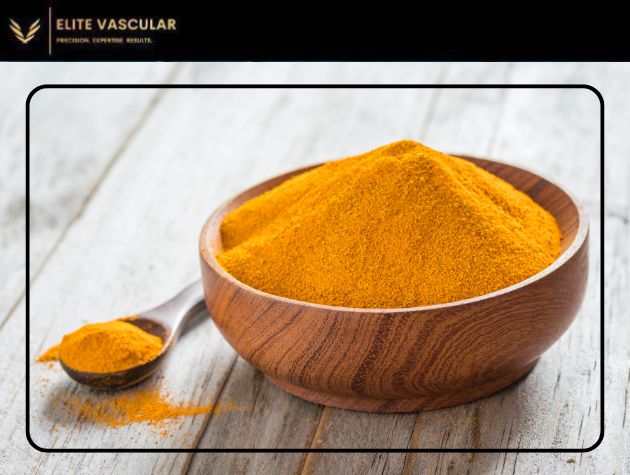
Natural Remedies for Varicose Veins: Is Turmeric Effective?

Varicose veins can be described as disfigured bulging veins that can most often be seen on legs. They cause pain, discomfort and self- esteem issues. People often have the option of venous medical treatment interventions like laser operation or vein ablation. Besides medical treatment, there are a number of natural remedies to assist with the […]

Natural Remedies for Varicose Veins: Is Turmeric Effective? Read More »

Hard Lumps to Smooth Skin

From Hard Lumps to Smooth Skin: Varicose Vein Treatments That Work

Varicose veins, often seen in the legs and also known as the swollen and bulging veins, can lead to more complex problems than just being a cosmetic issue. For some patients, they become hard lumps signifying more serious issues concerning veins; these include thrombophlebitis or chronic venous insufficiency. Though the condition may be distressing, there

From Hard Lumps to Smooth Skin: Varicose Vein Treatments That Work Read More »

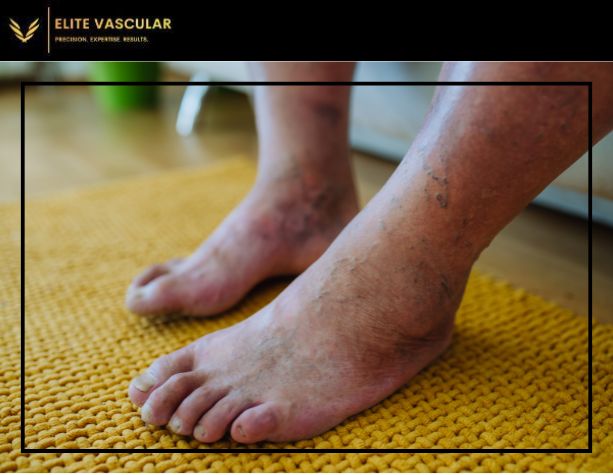
Hemosiderin Staining

Managing Hemosiderin Staining: Expert Tips and Advice

What Is Hemosiderin Staining? Hemosiderin staining is a type of skin discoloration that occurs when iron from red blood cells leaks out and stains the surrounding tissues. The condition is often caused by venous insufficiency, varicose veins, or trauma. Although not usually harmful, it can be worrying for many people to find brown or rust-colored

Managing Hemosiderin Staining: Expert Tips and Advice Read More »

Preparing For Sclerotherapy: Before And After Tips

VenaSeal Treatment: Potential Complications and How to Prevent Them

VenaSeal is a new vein treatment for varicose veins where the vein is sealed using a medical adhesive. This outpatient procedure is also gaining popularity as it is effective and has a short recovery period. However, as with any medical procedure, it comes with possible complications. Awareness of these risks as well as their mitigations

VenaSeal Treatment: Potential Complications and How to Prevent Them Read More »

venaseal complications

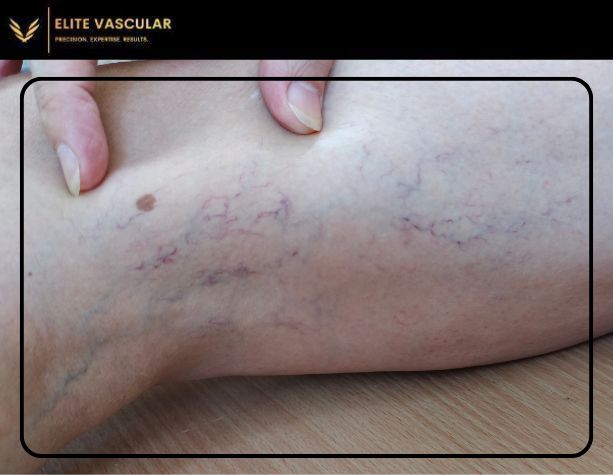
How Long Does It Take to Treat Reticular Veins? Timeline and Recovery

Reticular veins also known as blue veins or feeder veins, are small veins present under the skin that become swelled. These veins may not be harmful, but they could be inconvenient and cause cosmetic concerns. If you plan to undergo a treatment procedure, it is important to know the recovery period and when results can

How Long Does It Take to Treat Reticular Veins? Timeline and Recovery Read More »

Reticular Veins and Pregnancy: Why They Happen and How to Manage Them

Pregnancy is definitely a great experience but it is not devoid of challenges. One of the many physical changes that women go through during this time includes the formation of reticular veins, which shrouds many in anxiety. While these veins are generally innocuous, knowing their onset and some ways to treat them can already relieve

Reticular Veins and Pregnancy: Why They Happen and How to Manage Them Read More »

Natural Treatments for Varicose Veins: You Need to Try

Natural Remedies for Reticular Veins: What Works and What Doesn’t?

What are Reticular Veins? Reticular veins are vessels situated under the skin that give a bluish greenish appearance and are usually harmless but might cause discomfort and contribute to spider veins’ formation as well. A lot of people want to get rid of these veins without surgical procedures and therefore advance to homemade treatments. Natural

Natural Remedies for Reticular Veins: What Works and What Doesn’t? Read More »

Cutting-Edge Treatments for Reticular Veins What's New

How to Take Care of Your Veins and Prevent Reticular Veins

Exploring and Reticular Veins Reticular veins or the feeder veins are generally thin bluish green veins lying underneath the skin. It is not considered fatal but should be managed cosmetically or even prevented in order to stop the formation of other severe venal structures or spider veins. Reticular Veins: It’s Importance In order to circulate

How to Take Care of Your Veins and Prevent Reticular Veins Read More »